| by Neil Stein 26 Aug 2004 | |||||||||||||||||||||||||||||||||||||||||||||||||||||||||||||||||||||||||||||||||||||||||||||||||||||||||||||||||||||||||||||||||||||||||||||||||||||||||||||||||||||||||||||||||||||||||||||||||||||||||||||||
| Examiners like questions on incomplete records because they provide the opportunity to test a variety of bookkeeping and accounting techniques. The two main instances in which incomplete records can be found are where:
No records at all Allowance must be made for proprietor's drawings and extra capital introduced, so the formula becomes: There is little scope here for a major question, but it could form the basis of a two-mark multiple-choice question. Incomplete records
Opening capital Missing figures for sales and purchases
All we are doing here is using the sales ledger control account format, but instead of proving the accuracy of the sales ledger, we are calculating what the sales must have been in order for the other figures to be what they are. The same technique may be used to calculate credit purchases. If the sales figure is given we can calculate the cash received. There is another way to calculate sales, purchases or stock figures, and that is to use the trading account format. We normally set up the trading account as (figures invented):
Suppose the closing stock has been destroyed by fire, along with all the stock records. Then we wouldn't have the closing stock total to include in our trading account. However, we can calculate it if we know the gross profit percentage on sales - or, of course, the mark-up on cost of sales. In the example above, gross profit is 25 per cent of sales. If we are told this, we can insert the gross profit of £25,000 and so calculate the missing stock figure as a balancing item. We can also find a missing purchases figure, or even a missing sales figure. Suppose we are given:
We are also told that gross profit percentage on sales is 25 per cent. If gross profit is 25 per cent on sales, cost of sales must be 75 per cent of sales. The sales total is therefore: Whenever the gross profit percentage is given in an incomplete records question, you know that this technique is needed. Missing figures for cash Here are the incomplete records techniques:
There is only one way to develop fluency in incomplete records questions, and that is to practise as many questions as you can. Here are three short exercises:
Answers
These three examples are quite elementary, but they illustrate techniques that you will find in nearly all incomplete records questions. Neil Stein is examiner for Paper 1.1 | |||||||||||||||||||||||||||||||||||||||||||||||||||||||||||||||||||||||||||||||||||||||||||||||||||||||||||||||||||||||||||||||||||||||||||||||||||||||||||||||||||||||||||||||||||||||||||||||||||||||||||||||
Thursday, August 30, 2007
Incomplete records


Friday, March 23, 2007
Saturday, January 28, 2006
Fundamentals of Investments
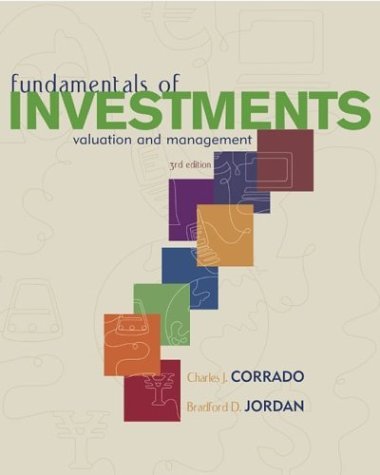
iNFO: Fundamentals of Investments was written to: 1. Focus on students as investment managers, giving them information they can act on instead of concentrating on theories and research without the proper context. 2. Offer strong, consistent pedagogy, including a balanced, unified treatment of the main types of financial investments as mirrored in the investment world. 3. Organize topics in a way that makes them easy to apply--whether to a portfolio simulation or to real life--and support these topics with hands-on activities. The approach of this text reflects two central ideas. First, there is a consistent focus on the student as an individual investor or investments manager. Second, a consistent, unified treatment of the four basic types of financial instruments--stocks, bonds, options, and futures--focusing on their characteristics and features, their risks and returns, and the markets in which they trade.
Book : http://rapidshare.de/files/2710051/FundInvest.rar.html
A Solutions Manual: http://www.missouri.edu/~fincc/Solutions.pdf
PowerPoint slides for all chapters: http://www.uky.edu/~bjordan/BDJWeb/Fin450/invest.html
Subscribe to:
Posts (Atom)